

Advertising Online Casinos on Social Media: New Risks for Brands and Players
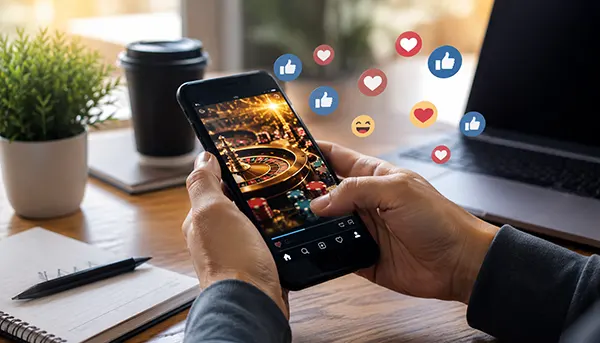
Social media has made online casino advertising faster, more visible and harder to control. In 2026, brands use short videos, influencers, paid posts and community pages to reach adults who may be interested in gambling content. This creates useful marketing opportunities, but it also brings serious risks for players, licensed operators and public trust. Readers who want to compare how different gambling websites present information about games, responsible gambling and casino features can also refer to Nolimitway casino as one example of an online casino website.
Why Casino Advertising on Social Media Needs More Care
Social networks encourage rapid content sharing, allowing promotional messages to spread far beyond their original audience. A gambling advertisement may appear alongside sports highlights, entertainment videos or lifestyle content, reaching users who were not actively looking for casino-related information. This wider exposure increases the responsibility of operators to ensure that every marketing message is accurate and suitable for adult audiences.
Modern gambling advertising is no longer limited to banners or sponsored search results. Operators increasingly rely on short-form videos, creator collaborations and interactive posts to explain new games, seasonal promotions or responsible gambling features. While these formats can make information easier to understand, they also require careful moderation to prevent misleading impressions.
Regulators in many jurisdictions have responded by introducing stricter rules covering transparency, age targeting and promotional language. Licensed operators are expected to avoid suggesting that gambling guarantees financial success or solves personal problems, while social media companies continue strengthening their own advertising policies for gambling-related content.
Risks for Players and Young Audiences
One of the biggest concerns is that gambling-related content may be seen by vulnerable users. Although advertising systems include age restrictions, no filtering method is perfect, making responsible targeting an ongoing priority for both advertisers and social media companies.
Another challenge comes from the way promotional content is presented. Short videos and influencer posts often focus on excitement, celebrations or large wins without giving equal attention to the possibility of financial loss. This imbalance may encourage unrealistic expectations among inexperienced players who have limited knowledge of how casino games actually work.
Players should also remain cautious when interacting with unofficial accounts or advertisements that appear suspicious. Fraudulent pages may imitate legitimate casino brands, promote fake bonuses or direct visitors to unsafe websites designed to collect personal or financial information. Checking whether a website is licensed and reviewing its responsible gambling information before registering are sensible precautions.
Building Trust Through Responsible Communication
For licensed casino operators, long-term credibility is more valuable than short-term attention. Marketing messages should describe promotions clearly, explain important conditions and avoid exaggerated claims about potential rewards. Honest communication helps users make informed decisions while reducing the risk of complaints or regulatory action.
Influencer marketing also requires careful oversight. Content creators should disclose commercial partnerships, avoid presenting gambling as a lifestyle achievement and never encourage excessive play. Many regulators now require sponsored gambling content to be clearly identifiable so audiences understand when a post forms part of a paid campaign.
Responsible communication extends beyond advertising itself. Educational content explaining safer gambling tools, account controls and budgeting practices can help users better understand how to manage their gambling activity while reducing the likelihood of harmful behaviour.
How Players Can Evaluate Gambling Content on Social Media
Before responding to any gambling advertisement, players should verify whether the operator holds a recognised licence in the jurisdiction where they intend to play. Official licensing information is usually available on the casino website together with terms and responsible gambling resources.
It is equally important to read the full bonus conditions rather than relying only on promotional headlines. Wagering requirements, eligibility rules, expiry dates and payment restrictions may significantly affect the value of an offer and should always be understood before making a deposit.
Finally, users should remember that social media posts are designed to attract attention rather than provide complete information. Comparing several reliable sources, reviewing responsible gambling policies and using personal spending limits can help players make balanced decisions while enjoying online casino entertainment in a safer and more informed way.